Downspout Blockage Removal in Richmond, VA
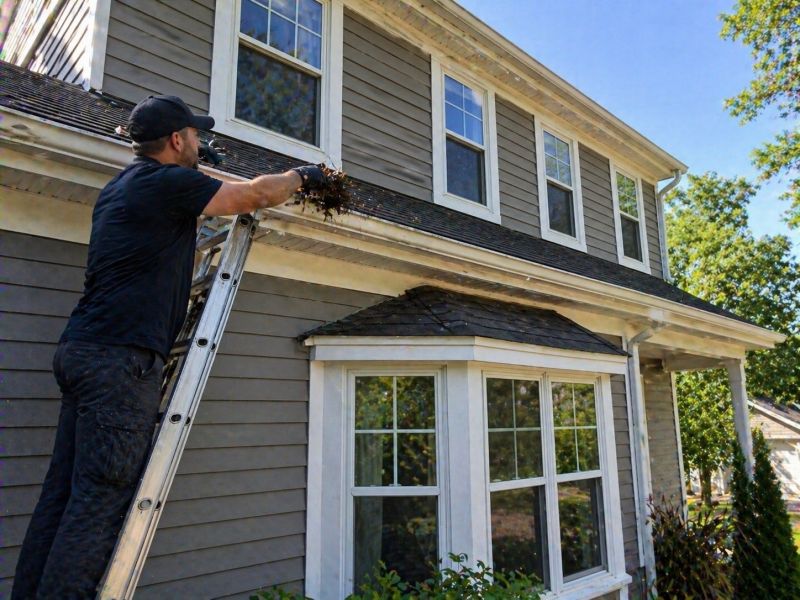
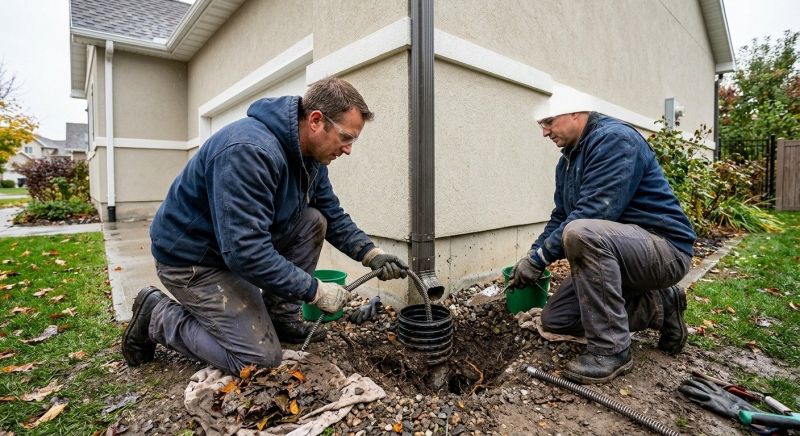
Downspout blockage removal services focus on clearing obstructions that prevent rainwater from flowing properly through the downspouts attached to a property’s gutter system. These services typically address projects such as removing debris, leaves, nests, or buildup that can cause water to back up, overflow, or damage the gutter system. Property owners often request this service when noticing water pooling around the foundation, overflowing gutters, or visible blockages during inspections, especially after storms or seasonal changes.
Before requesting downspout blockage removal, property owners should consider the extent of the clog and whether there are signs of water damage or foundation issues. It’s useful to identify if blockages are localized or widespread, as well as to understand the overall condition of the gutter system. Clear communication about specific problem areas and any visible signs of overflow or damage can help ensure the service addresses the root cause of drainage issues effectively.
Many property owners in Richmond, VA look into Downspout Blockage Removal for repairs, replacements, upgrades, and appearance-related improvements.
Signs Of Downspout Blockage
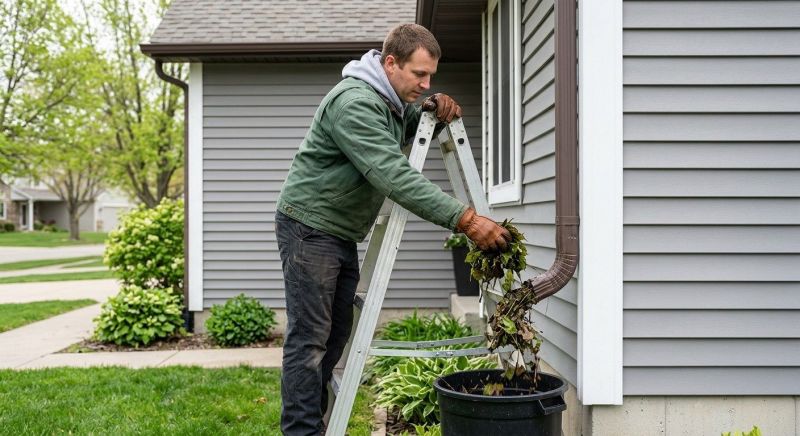
Clogged downspouts can cause water overflow and property damage during heavy rains.
Common Causes Of Blockages
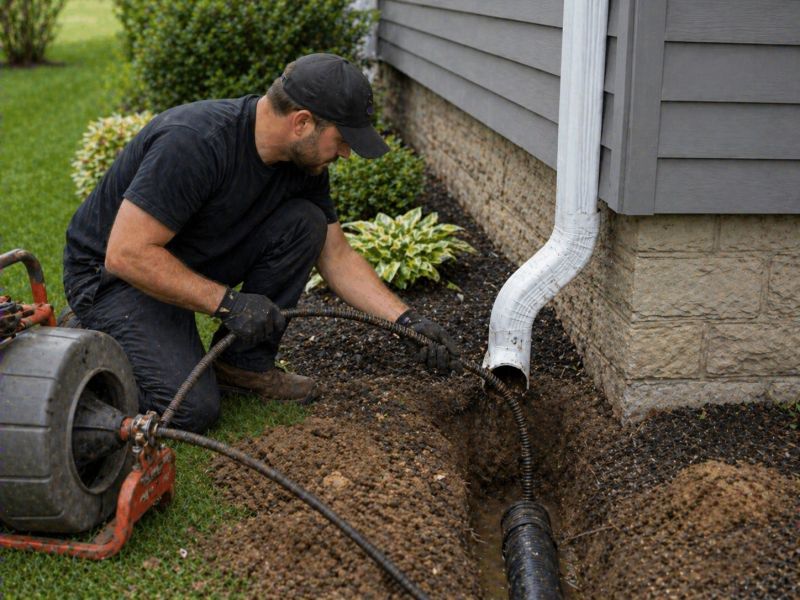
Leaves, debris, and ice buildup are typical reasons for downspout obstructions in richmond neighborhoods.
Benefits Of Blockage Removal
Clearing blockages helps protect your home's foundation and prevents water damage to your property.
Downspout Blockage Removal in Richmond, VA

Downspout blockage removal services focus on clearing obstructions that prevent rainwater from flowing properly through the downspouts attached to a property’s gutter system. These services typically address projects such as removing debris, leaves, nests, or buildup that can cause water to back up, overflow, or damage the gutter system. Property owners often request this service when noticing water pooling around the foundation, overflowing gutters, or visible blockages during inspections, especially after storms or seasonal changes.
Before requesting downspout blockage removal, property owners should consider the extent of the clog and whether there are signs of water damage or foundation issues. It’s useful to identify if blockages are localized or widespread, as well as to understand the overall condition of the gutter system. Clear communication about specific problem areas and any visible signs of overflow or damage can help ensure the service addresses the root cause of drainage issues effectively.
Many property owners in Richmond, VA look into Downspout Blockage Removal for repairs, replacements, upgrades, and appearance-related improvements.
Common Downspout Blockage Removal Jobs
Downspout blockage removal - clears clogs to ensure proper water flow away from the property.
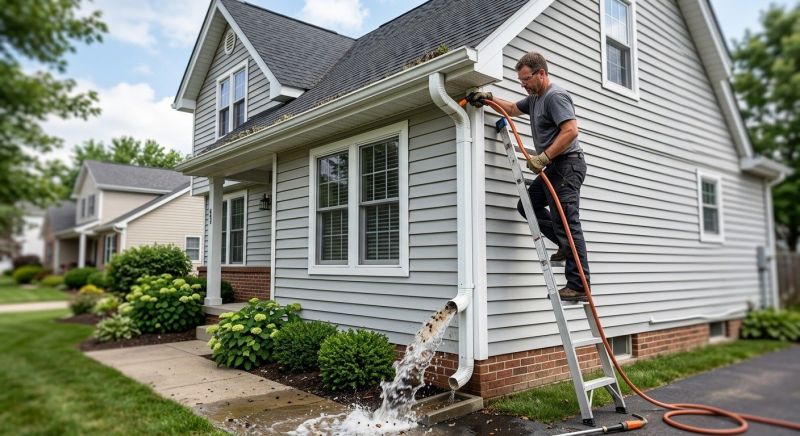
Gutter downspout flushing - uses specialized tools to remove debris and buildup inside downspouts.
Storm drain cleaning - prevents flooding by removing obstructions from outdoor drainage systems.
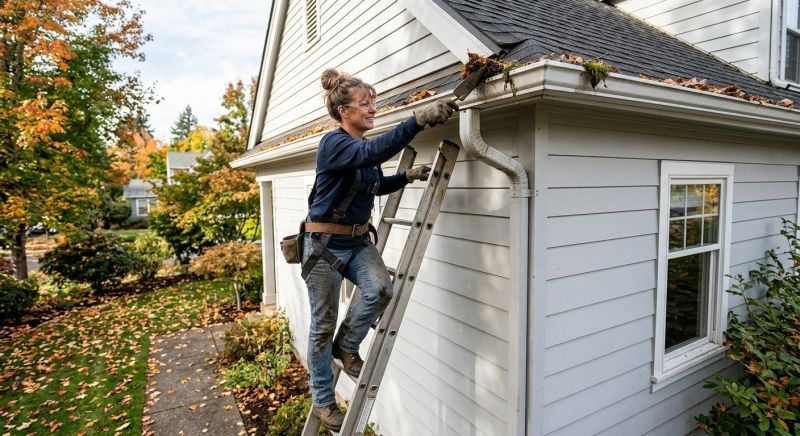
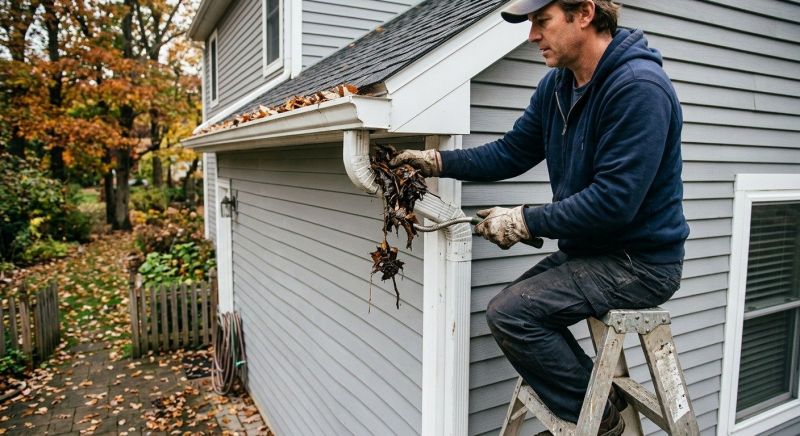
Debris extraction from downspouts - removes leaves, twigs, and dirt that cause blockages.
Downspout inspection services - identifies potential issues before they lead to water damage.
Clog prevention solutions - offers recommendations to reduce future blockages and maintain drainage.
Downspout Blockage Removal Questions
What causes downspout blockages? Common causes include leaves, debris, nests, and buildup of dirt that restrict water flow.
How can blockages affect a property? Blockages can lead to water overflow, foundation issues, and damage to siding or landscaping.
What signs indicate a downspout may be blocked? Signs include overflowing gutters, water pooling around the foundation, or visible debris in the downspout.
Are there preventive measures for downspout blockages? Regular clearing and installing gutter guards can help prevent blockages from forming.
Request Downspout Blockage Removal in Richmond, VA
Use the quote form on this page to share the basics of your project and request more information for the type of work you need.